
The Cedar Presents
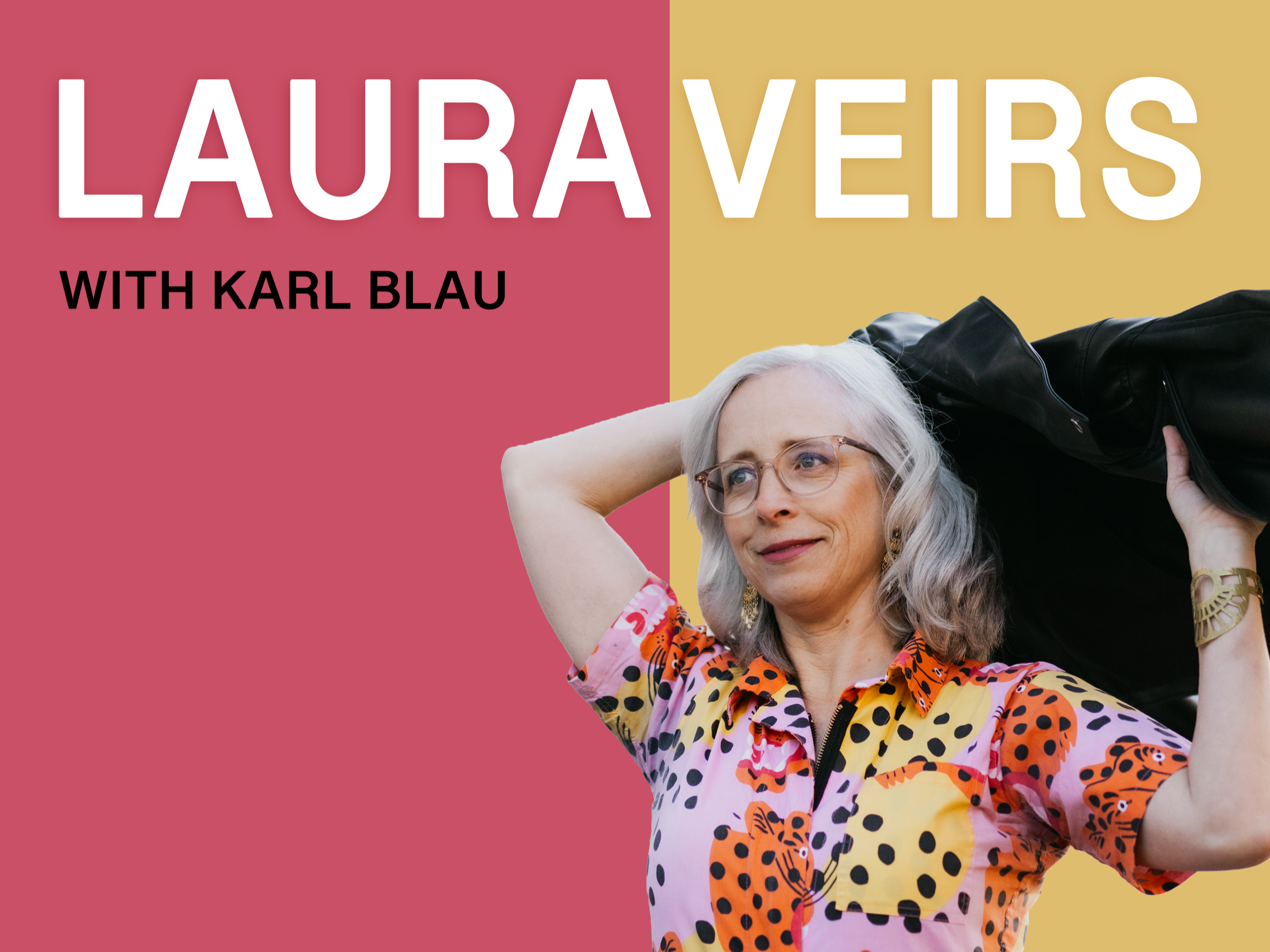
LAURA VEIRS with Karl Blau
Saturday, October 17, 2026
Doors 7PM | Show 8PM
Seated | All Ages
listen
ABOUT THIS SHOW
Singer-songwriter Laura Veirs has forged a career singing personal songs of romantic intoxication, everyday vignettes, and social commentary that are often heavy on introspection and intense character scrutiny. While 'Found Light' is technically the 12th studio LP from the esteemed Portland, OR-based artist, it also, in many ways, feels like her debut: 'Found Light' is her very first record with co-production credits (alongside Shahzad Ismaily), and finds Veirs embracing a self-sovereignty and artistic independence she’d never known previously.
LAURA VEIRS
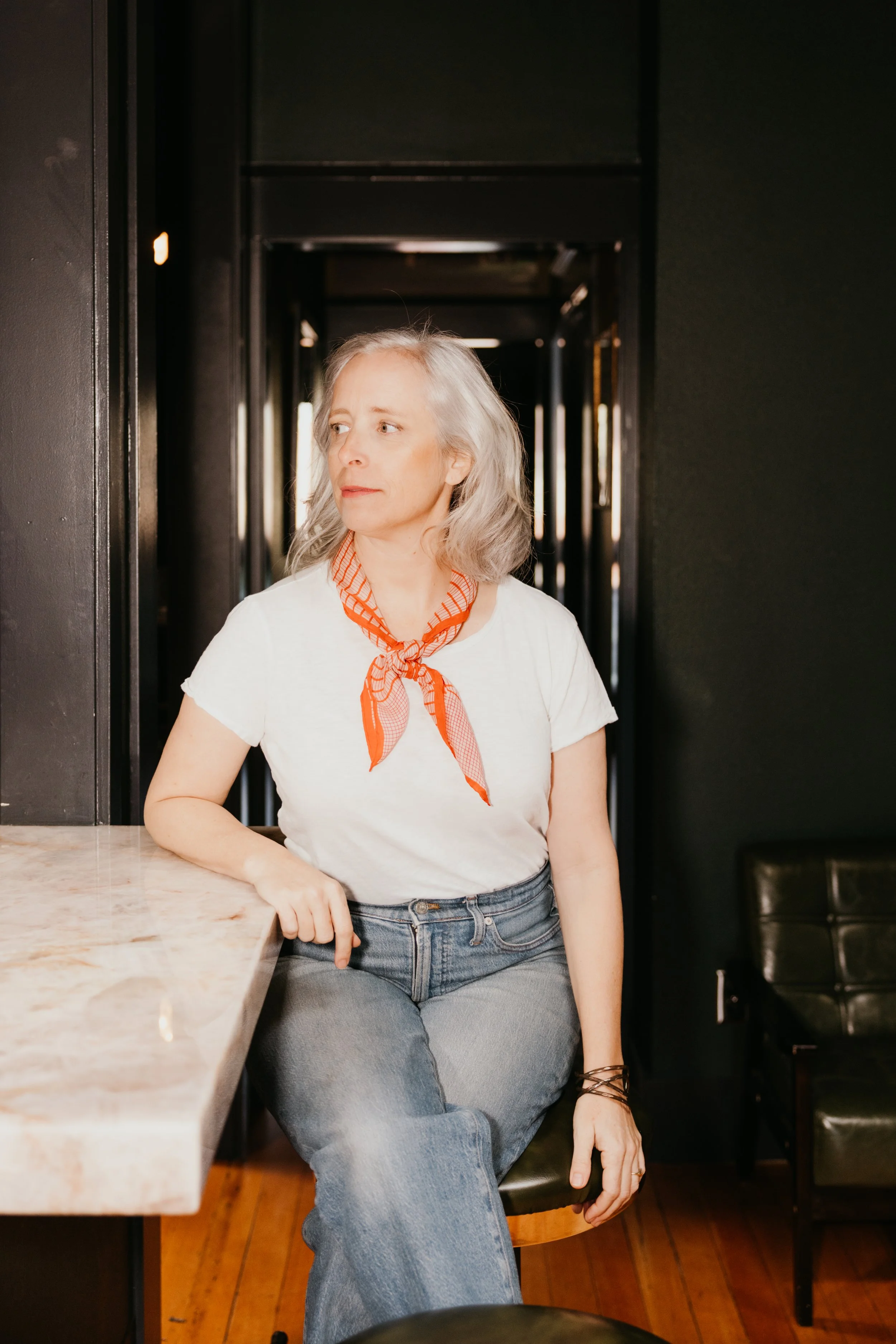
Laura Veirs returns with Temple Songs, her first album in four years—and the first she has written, recorded, arranged, produced, and performed entirely on her own. “I didn’t know if I would write songs again,” says Veirs, who spent the intervening years building a backyard studio, getting married, blending a family with four teenagers, deepening her visual art practice (painting), and expanding her music teaching. “Turns out that period was a gathering phase. When I made the commitment to recording the album myself, the muse caught me again and it came together very quickly.”
Written and recorded in three months in the fall of 2025 in Veirs’ backyard “Temple of Bloom” studio, Temple Songs marks a new level of artistic independence. While 2022’s Found Light (co-produced by Veirs and Shahzad Ismaily) was a declaration of autonomy, Temple Songs goes further: every creative decision—what to record, how to record it, and how it should sound—was Veirs’ alone. Made with just two mics and a laptop in a 10’ x 14' room, the album feels unmistakably “Veirs-ian,” yet strikingly new.
Veirs embraced the Japanese concept of wabi-sabi throughout the process, choosing not to pitch-correct vocals or edit out rough edges. “I wanted to make something that sounds as organic and human as possible,” she says. Mixing by Philip Weinrobe (Adrienne Lenker) adds sympathetic finishing touches to Veirs’ 14th solo album.
Because the Temple of Bloom wasn’t built for recording, the studio itself became a collaborator. Veirs paused takes for rain on the skylight—or let it stay. She waited out neighbors’ conversations, raced to finish a sensitive vocal before a stump grinder roared to life, and included the presence of resident bluejays, passing crows, and other neighborhood sounds. These ambient intrusions lend the album an intimate, lived-in authenticity.
Influences range from Mac DeMarco’s commitment to trusting his personal taste to the anarchists and feminists of the late 1800s and their rallying cry, “no gods, no masters.” “It was hard to get the white man off my shoulder,” Veirs says. “I wrestled with a lot of doubt. But there were many happy accidents and eventually I found a flow—seeing the studio again, for the first time since my 20s, as a private place for exploration.”
Clocking in at a concise 30 minutes, Temple Songs' 11 tracks capture a songwriter in peak form. The album is intimate, dreamy, brave and quietly defiant, built around Veirs’ intricate fingerstyle nylon-string guitar, vulnerable vocals, and bold electric guitar embellishments. “Arc Still Bends” reflects feelings of contemporary futility, offset by a hopeful chorus. “River’s Song,” an ode to one of Veirs’ children, showcases her gift for simplicity and emotional precision. “Pulse” veers into art-experimental territory, culminating in a cacophonous duet between electric guitar and sax. “No Masters” is a sparse, punk rock call for collective self-determination, while “Sunlight and Doom” incorporates elemental fragments from the ancient Greek lyricist Sappho.
Veirs played guitars, bass, drums, tambourine, percussion, and sings vocals; the only outside contribution is saxophone by a secret special guest. She used no click tracks and no electronic instruments, working by feel and intuition while watching bamboo sway outside her studio window. At 52, three decades into her career, Veirs reconnects with herself through a radically new process—one that feels both fresh and profoundly earned. She also designed the album’s calligraphy and paper-collage back cover art, extending the project’s handmade ethos.
“I needed to make this to connect more deeply with my taste, aesthetics, and confidence,” says Veirs. Longtime fans will recognize the core of Laura Veirs here—unfiltered and renewed—and new listeners will discover an artist fully inhabiting her creative powers.
To learn more about LAURA VEIRS:
Karl Blau
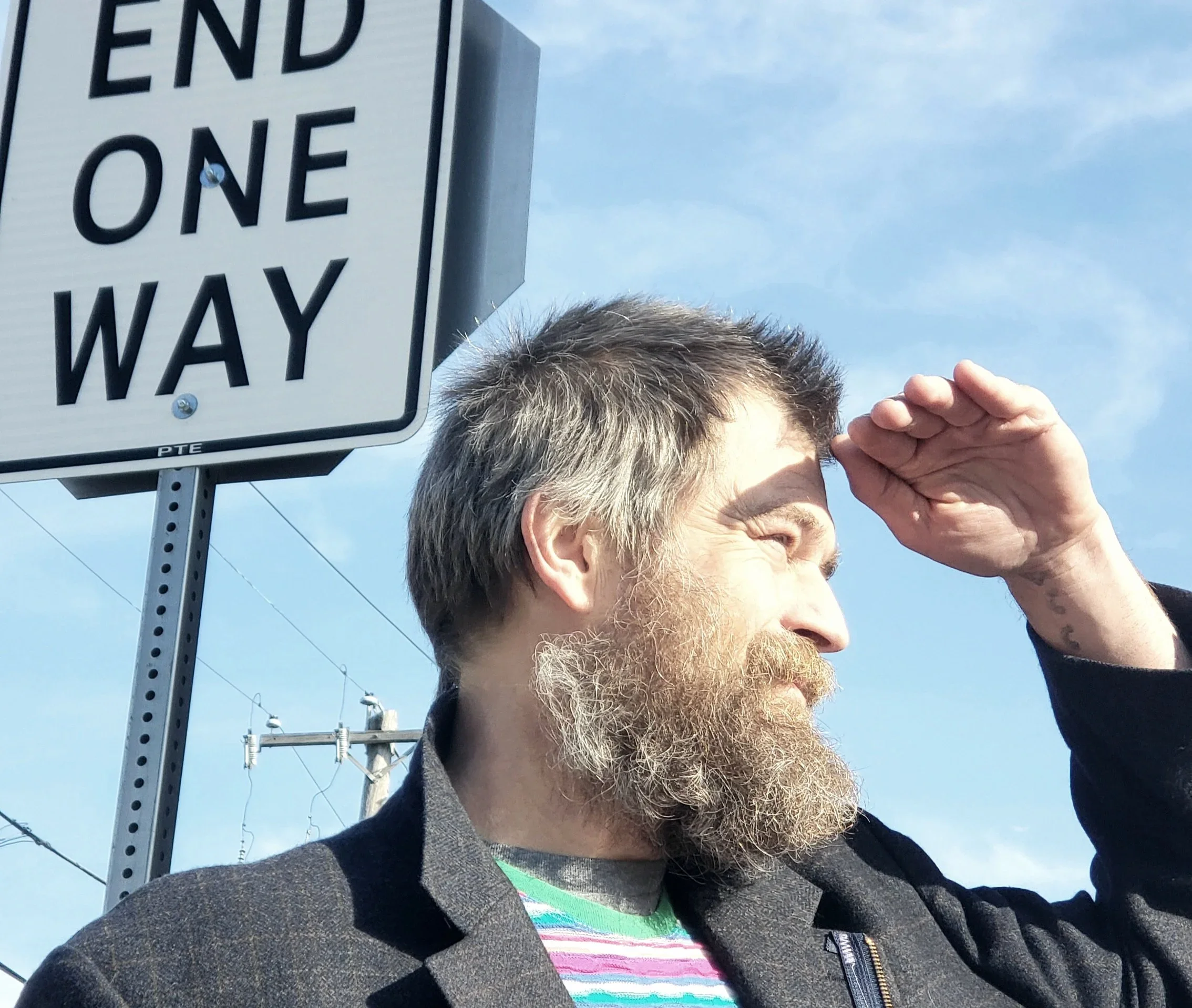
Karl Blau - raised by a trumpeter and French hornist on Samish Island, WA, was the only woodwind in a family of brass musicians - his 3 brothers are 2 trombonists and a trumpeter. His mother insisted all the children pursue classical music study along with learning some kind of instrument in the band. That’s how his parents met, in high school band. When Karl asked to switch from piano studies in the 6th grade to guitar hoping to spend more time with his pink electric guitar, it was classical guitar lessons. Blau spent his youth visualizing that he would become a fine artist, but by the time he left high school, his north star was set to rock and roll thanks to the role modeling of recording artist and performer of his uncle Tom Atwood and playing metal drums in high school.
Out of school, the artist remained and creating recordings and song approaches that were unconventional felt the most inspiring to Blau. The 4-track became his best friend and at this point in the early 90s, his band Captain Fathom of which he played bass was playing grange hall dances and local festivals and some bars. It was this band which rehearsed in Anacortes that started his connection to the seaside village of which would be his home for the next 25 years.
The local record store was the regular haunt - The Business was owned by Bret Lunsford of the indie punk band Beat Happening. A young Phil Elvrum (aka The Microphones aka Mount Eerie) worked at The Business and he and Karl were sharing the back room to record after hours experiments with sound. Bret invited Phil and Karl to join up with him and support his songs in a band he named D+. The record store hosted shows and events that would help indoctrine Blau into indie culture, and Karl would start to connect with bands like Old Time Relijun, Pacer, Dear Nora and artists such as Sandman, Mirah, Kaela Maricich.
Also out of the Business Bret started a label Knw-Yr-Own, the premise being to honor the music being created in Anacortes with a common badge and help to create a “thing.” Knw-Yr-Own released a series of Anacortes compilations to help bring awareness to all the great songwriting happening in town. Knw-Yr-Own collective organized a spaghetti feed in 1997 that would raise money for Blau’s first CD pressing called “Shell Collection” which was a greatest hits of Blau’s first tape releases on Knw-Yr-Own.
In the late 90s, Blau kept recording 4-track albums, washing dishes to pay for rent and food. Touring with D+ and taking his CDrs and tapes on tours up and down the west coast. His connection to the label K forged by recording with D+ who released albums on this label. Dub Narcotic was K’s in house studio and Blau was able to use this space to record his first record not made at home, “Clothes Your I’s” which became a CD pressing on Knw-Yr-Own eventually.
The 2000s were a productive time for recording and touring. Laura Veirs, who at the time lived in Seattle and was coming through Anacortes to take the ferry to see her folks on San Juan Island, stopped in at The Business and dropped off her demo tape for Bret to check out. She eventually played a show there and met Blau. At the time Veirs was just starting to record with Tucker Martine in Seattle at an early version of Flora studio. She would eventually ask Karl to join with her band playing bass guitar and electric guitar along with Steve Moore (now of First Aid Kit, EARTH and Sunn0)))). Blau began touring with Laura Veirs much of the time with Steve Moore in the mid 2000s and continued for about 10 years of recording and touring being part of the backbone of her records Carbon Glacier, Year of Meteors, Saltbreakers, July Flame and appearing on Tumble Bee (named after a Blau song off Shell Collection), Warp & Weft and My Echo. Blau toured all over the English speaking world with Veirs, at least a dozen European tours and at least that many US tours, notably opening for the epic Sufjan Stevens’ “Come on Feel the Illinois” tour. Often Veirs would invite Karl to open shows and whole tours.
In the 2000s Blau produced more and more records. He started a record a month club called Kelp! and continued creating records for this series through number 34 which included LAKE’s first album. Among the trove of music he recorded for this series was a reggae version of Tchaikovsky’s The Nutcracker Suite, ambient instrumental music, 4-track collections and a few “studio” records sprinkled in. Other artists featured in the Kelp! series were the likes of mostly NW Washington artists - Your Heart Breaks, Johanna Kunin aka Bright Archer, Garret Devoe aka Pure Horsehair, Kevin Atwood, Adrian Orange aka Thanksgiving, Nate Ashley, The Blau Brothers(with Eddy Blau), Amigo, and The Gift Machine.
Blau started working more at Dub Narcotic studio in this era, recording “Nature’s Got Away,” “Zebra,” and “Max” which would all come out on K. Karl Blau would harness the elevated platform of K to set up more US touring to a broader audience. In the late 2000s he would work as in-house producer at Dub Narcotic for K recording Arrington de Dionyso’s Malaikat Dan Singa’s debut and 2nd LP , Angelo Spencer’s first two albums on K - Angelo Spencer Et Les Hauts Sommets, World Garage and single “Music is My Sweat”, Curious Mystery’s 2nd LP “We Creeling,” more LAKE albums “Let’s Build A Roof” and “Giving and Receiving” and super group of Kimya Dawson and Jeffrey Lewis “The Bundles.” Your Heart Breaks records “New Ocean Waves”, “Sailor System,” and “Love Is a Long, Dark Road(Love Is All You Need)" Blau produced at Dub Narcotic around this time as well.
Just into the oughts, Blau gets an offer to join up with Dylan Carlson, Adrienne Davies and Lori Goldston (cellist) to play bass in the legendary, Seattle group EARTH. They record 2 albums with Stuart Hollerman at Avast! Studio, Seattle - Angels of Darkness, Demons of Light Vol. I and Vol. II and tour the US and Europe with Anacortes couple Phil Elverum and Geneviève Castrée aka Ô Paon
In 2011 K would release a single of Karl Blau singing Tom T. Hall’s “That’s How I Got To Memphis” produced by Tucker Martine who produced all of the Laura Veirs records (Bella Union label) at this time. Tucker and Karl fantasized about continuing the project of rerecording minor hits by talented, time-tested songwriters. In 2014 they began honing the tunes down to a short list of about 20 songs, and a year later gathered a crackpot team of NW players including Eli Moore of aforementioned LAKE on bass, Steve Moore on keys, Jon Hyde on guitar and pedal steel, with Tucker Martine at the helm and on the drums. The record came together quickly from that point. Bella Union, London signed Karl Blau after hearing these recordings and Laura Veirs' label Raven Marching Band would release it in the states. The nearly 10 minute long version of Link Wray’s “Fallin’ Rain” came out as the surprise hit single from the release but many of the tracks including “That’s How I Got To Memphis” and “To Love Somebody” (of course a Gibbs bros. tune) would go on to garner attention via radio play from coast to coast in the US and on BBC6 and various EU stations.
Back-up to 2015 and back in Anacortes, Blau decides to open a music venue downtown where The Business record store is now called Anacortes Music Channel. Here he invites collaboration and starts some active music gatherings like a free choir which learns classic songs of Anacortes, a Sun Ra worship improvisation group aptly called Moon Raw, Immature Orchestra which creates mini masterpieces as if it’s building sandcastles. AMC paired up Anacortes groups with touring acts that challenged and delighted the Anacortes locals - David Liebe Hart, Fountain Sun, Lori Goldston, Geneviève Castrée, The Rusty Cleavers, Sun Egg and many more. Week after week folks would come around the AMC and ask - “is this a radio station?” Finally with the help of some friends, Blau launches a 24/7 streaming station of exclusively Anacortes music still streaming all day and night every day.
Around this time Blau decides that it’s time Anacortes had its own music rag, so he created Show Chime which is still being circulated monthly. Also birthed at Anacortes Music Channel was the concept of Anacortes Music Project, today AMP is an active non-profit with goals of preserving Anacortes history and boosting music happenings and local artist profiles.
OK, that brings us up to 2016 - whew! To be continued….
To learn more about KARL BLAU: