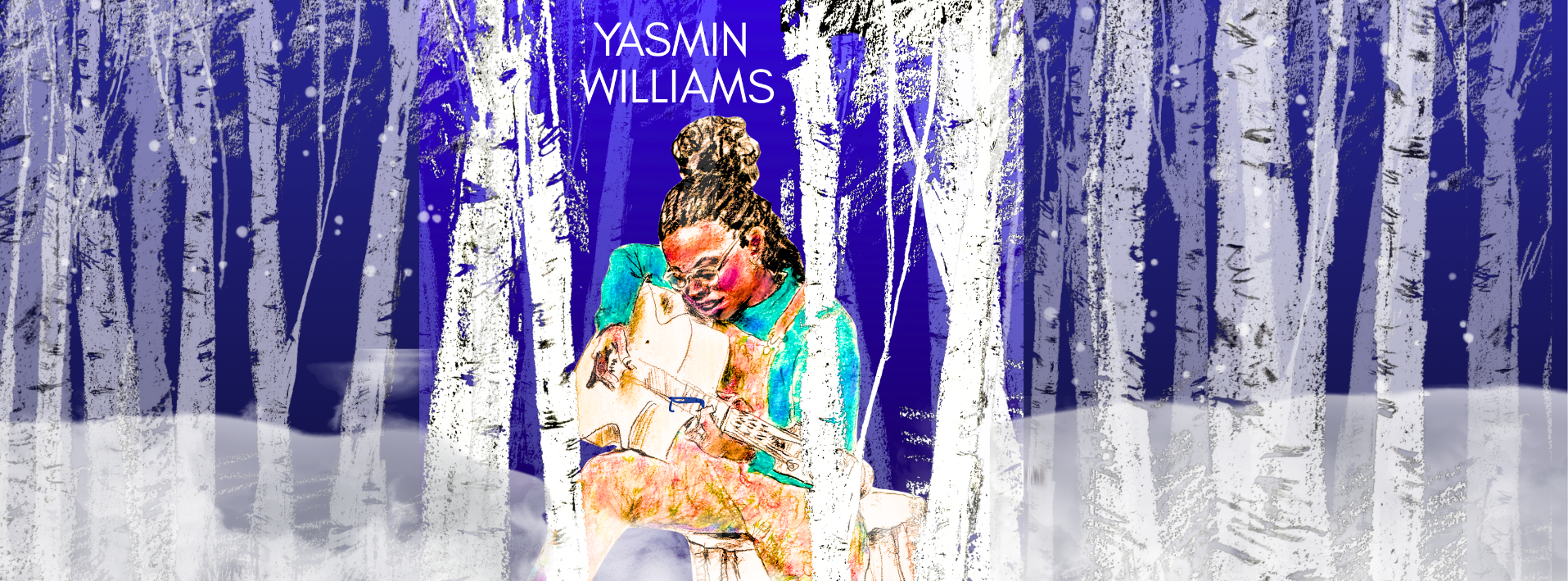
The Cedar Presents
YASMIN WILLIAMS with Nathan Graham
Sunday, April 19, 2026 / Doors: 7:00 PM / Show: 7:30 PM
All Ages
Seated
$25 Advance, $30 Day of Show
*For Cedar Presented shows, a $4 facility fee is included in the ticket price (Ticket fee info here).
This is a seated show with general admission, first-come-first-served seating. The Cedar is happy to reserve seats for patrons who require special seating accommodations. To request seating or other access accommodations, please go to our Access page.
For Cedar presented shows, online ticket sales typically end one hour before the door time, and then, based on availability, tickets will be available at the door. Tickets purchased at the door will include a $1 Eventbrite fee.
listen
ABOUT THIS SHOW
Yasmin Williams is one of the most innovative voices in guitar playing today, crafting rich instrumental compositions that sway from traditional folk to atmospheric soundscapes, experimenting with rich tapestries of sound. Her performance at The Cedar this Spring is sure to be a highlight of our 2026 calendar.
YASMIN WILLIAMS
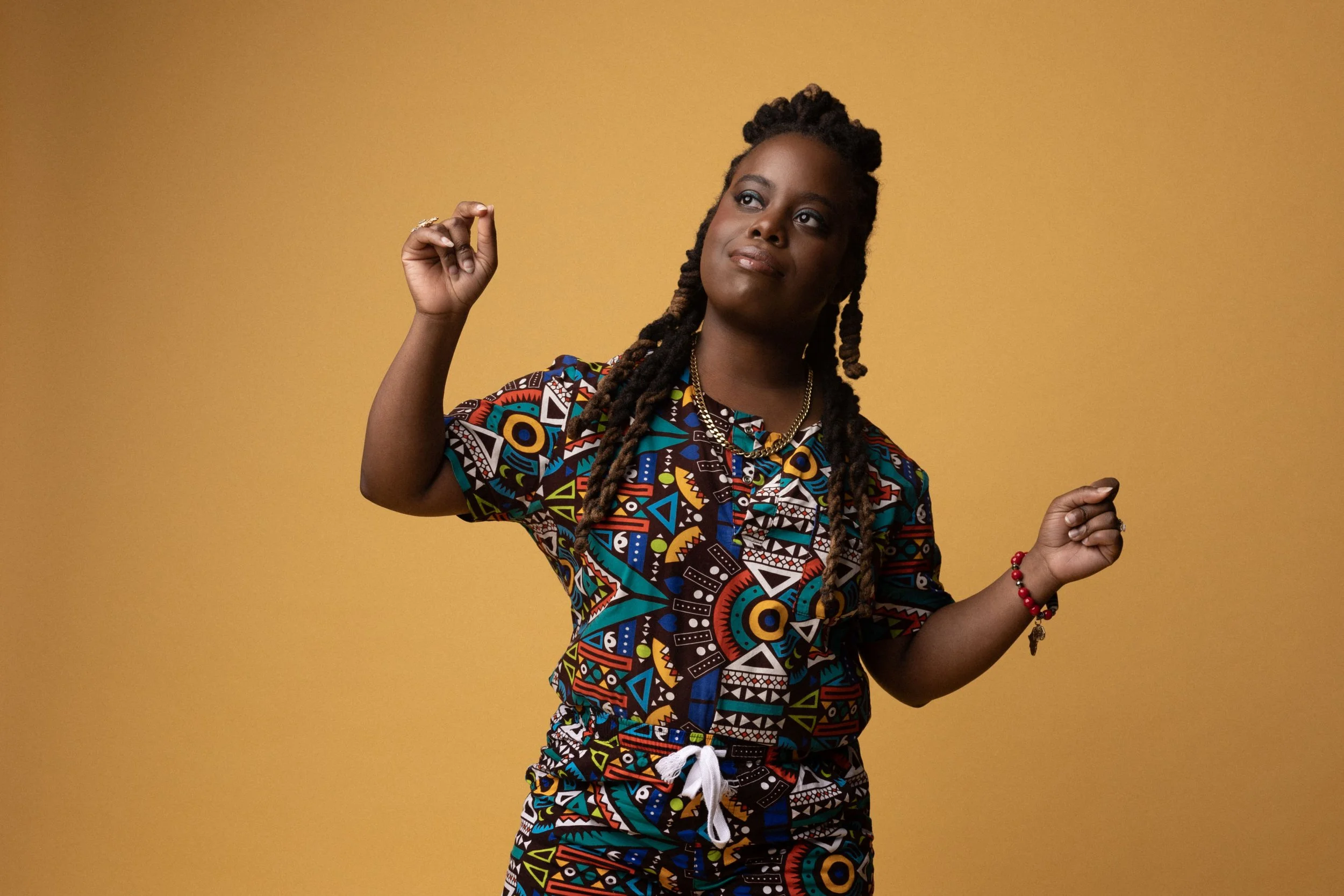
Yasmin Williams is an innovative guitarist and composer known for her unique compositional approach and expansive instrumental style. Her latest album Acadia, released on Nonesuch Records, showcases her evolution from solo performer to collaborative artist, featuring partnerships with notable musicians like Aoife O'Donovan and Immanuel Wilkins.
Williams' distinctive creative process involves "ruminating" on single notes until compositions naturally emerge. Beyond traditional fingerpicked guitar, she demonstrates mastery of multiple instruments including kora, harp guitar, banjo, and electric guitar. Her music, while rooted in folk traditions, transcends conventional structures to incorporate elements of progressive rock and experimental composition.
Following her acclaimed 2021 album Urban Driftwood, Acadia represents a significant artistic expansion, featuring three distinct sections that move from traditional folk influences to atmospheric soundscapes and experimental arrangements. Williams' approach emphasizes sustained tones and intricate articulation, creating music that balances technical precision with ethereal, floating melodies.
To learn more about YASMIN WILLIAMS:
Nathan Graham
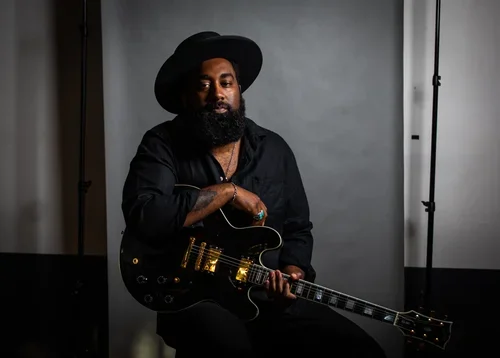
When you think of a singer-songwriter, who comes to mind? Nathan Graham says it probably isn’t somebody who looks like he does. And he wants to change that. Raised in Chicago on Prince and Earth, Wind & Fire, Graham bridges South Side Blues with Nashville Americana to deliver a bittersweet and soulful sound.
Starting out backing blues singers at famous haunts like Buddy Guy’s Legends and Kingston Mines, he spent a decade building his career as a guitar-for-hire before forming bands to perform his own music and lyrics. But it took a bit of convincing to overcome self-doubt as a singer. Some advice from his mother eventually pushed him forward: “All you have to do is open up your mouth, and project.”
What Graham projects now are stories of the human condition, somehow both achingly painful and exquisitely comforting. His guitars convey heartbreak, lyrics tell stories of regret, but his rich vocal delivery offers the remedy.
He puts it altogether on debut record Saint of Second Chances, where his guitars reach from delicate and pristine to reverberatingly powerful. Tracks like “Good Honest Man” speak frankly about the urge to give up on love rather than risk loss, while “Fake Friends” offers a stomping, nostalgic rhythm behind some anxious self-reflection: “Saw you going down, down in flames / Well I guess I just didn’t know that I was doing the same.”
It’s a versatile album, just as meaningful when blasted through headphones in the isolation of your own room as it is in a crowded bar. And it’s a record Graham hopes can drive inclusivity in a genre not always known for its diversity.
“When people hear ‘singer-songwriter,’ they typically think of somebody who is white, middle-aged, male,” he says. But greats like Smokey Robinson, Luther Vandross, Lauryn Hill and even J Cole deserve to be reframed as a part of the genre just as much as someone like Bob Dylan. “They’re doing it in a different way, but they’re doing the same exact thing: they’re using their voice to tell a story.”
Just as Lenny Kravitz taught him black men could rock out on a guitar, Chuck Berry proved straightforward lyrics are some of the most impactful, and his own mother convinced him to pick up the mic, Graham is challenging the assumptions and doubts that create musical barriers. With his music, he hopes to bring people together in the process.
“I wrote a record about the human condition of having anxiety, having feelings of love and being scared to lose that, or scared that you’re going to screw it up somehow—or they’re going to screw it up somehow,” he says. “I want the audience to go on that journey with me. To sometimes be sad, and sometimes be joyful. I want us all to be walking through that journey with each other.”
To learn more about Nathan Graham: